

Desert Bighorn Sheep Hunts Prices Explained
The first question serious hunters ask is usually direct: what are desert bighorn sheep hunts prices, really? That is the right question, because on a hunt this rare, the number alone never tells the whole story. Price is tied to tag availability, legal access, hunt area quality, ram age class, logistics, and the caliber of the operation behind the experience.
For many sportsmen, a desert bighorn hunt is not just another booking on the calendar. It is a milestone hunt. In some cases, it is part of a North American sheep goal. In others, it is the one hunt a man has talked about for twenty years before finally deciding to do it right. That is exactly why looking only for the cheapest price is usually the wrong move.
What drives desert bighorn sheep hunts prices
Desert bighorn sheep hunts prices can range dramatically depending on where the hunt takes place and how access is secured. In broad terms, the biggest driver is the permit or tag itself. In the United States, tags are extremely limited and often obtained through lotteries, auctions, raffles, landowner programs, or secondary market opportunities where legal. That scarcity pushes costs into premium territory before a hunter ever steps into the field.
In Mexico, pricing is shaped differently. Access to the right ranches, properly managed concessions, and exclusive territories matters as much as the permit structure. A hunt in a proven area with mature rams, strong genetics, and professional logistics will command more than a hunt that simply offers a legal chance. Serious hunters understand that they are not paying only for days in the field. They are paying for years of management, relationships, scouting, and the ability to hunt where quality sheep actually live.
Another major factor is terrain and infrastructure. Desert sheep country is vast, rough, and unforgiving. Reaching the right glassing points, keeping hunters comfortable, moving efficiently, and staying on rams all require real operational depth. Cheap logistics can ruin an expensive opportunity fast.
Typical price ranges hunters should expect
If you are comparing desert bighorn sheep hunts prices across the market, expect a wide spread. In North America, fully guided desert bighorn opportunities often start in the high five figures and can move well into six figures depending on the tag source and hunt location. Auction and high-demand tag scenarios can rise far beyond that.
Mexico can offer a different kind of value, but value does not mean bargain pricing. Premium Sonora and Tiburon Island style experiences are still high-end hunts because the species is rare, access is tightly controlled, and trophy potential is exceptional. Hunters are paying for exclusivity and quality, not for a discount sheep hunt.
That is where buyers need to be careful. A lower advertised number may not include permit costs, trophy fees, charter flights, firearm import assistance, accommodations before and after the hunt, taxidermy prep, or export handling. One quote can look far cheaper than another until the real total cost is on paper.
Why the cheapest hunt is rarely the best buy
On a hunt this specialized, low price often means compromise somewhere. Sometimes it is weaker ram quality. Sometimes it is less proven country. Sometimes it is limited guiding depth, rushed logistics, or an operator who brokers access instead of truly controlling the experience. None of those trade-offs matter much on a casual hunt. They matter a great deal when the species is desert bighorn.
A mature ram is earned in hard country, but the odds improve when the outfitter knows the mountain, has strong local relationships, and can make fast decisions in the field. That kind of operation costs more to run. It should.
Hunters who have been around premium bookings know this lesson well. Price matters, but confidence matters more. If a client is wiring a large deposit for a once-in-a-lifetime hunt, he wants to know who is actually meeting him, who is scouting, who is handling permits, and who is making sure the entire trip runs cleanly from arrival to export.
What should be included in the price
When comparing desert bighorn sheep hunts prices, the smartest move is to evaluate what the hunt actually includes. A premium hunt should be clear and specific. You want to know whether the quoted rate covers ground transportation, field accommodations, meals, guide service, permit handling, trophy care in camp, and border-related coordination.
You also want clarity on what is not included. Airfare, hotels outside the hunt, gratuities, taxidermy, shipping, rifle permits, and government fees may sit outside the base price. That is not unusual. What matters is transparency.
A reputable outfitter will walk you through the full financial picture without games. That matters more than polished marketing language. Hunters booking at this level appreciate straight answers.
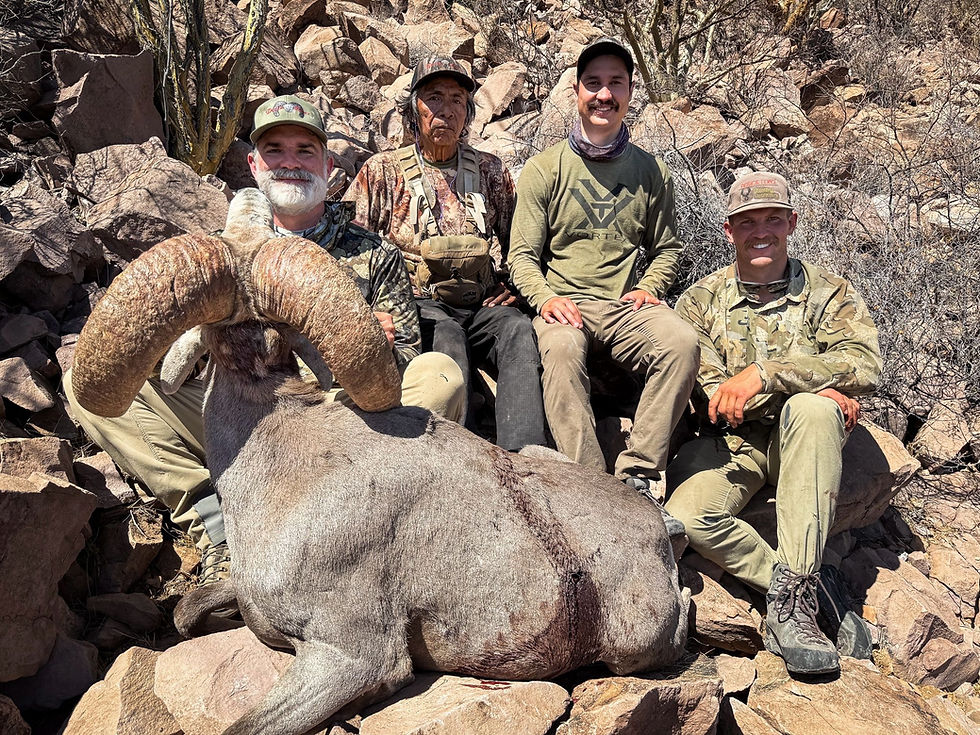
Access changes everything
The reason some desert bighorn sheep hunts prices sit at the top of the market is simple: premium access is rare. In sheep country, geography is not just scenery. It is opportunity. Exclusive mountain ranges, low-pressure concessions, and highly protected areas can produce the kind of age-class and horn quality that hunters travel across the continent to find.
That access is built over years, sometimes generations. It cannot be copied overnight. In Sonora, and especially in elite destinations like the Seri Reservation on Tiburon Island, the value is not only in the chance to pursue a ram. It is in hunting one of the most iconic sheep landscapes in the world under an operation that knows how to deliver the experience correctly.
That is a different product than a hunt assembled from borrowed access and thin field support. Both may carry the same species name. They are not the same hunt.
Trophy quality, ethics, and real value
Experienced sheep hunters are usually not chasing inches alone. They are looking for mature rams, ethical opportunities, and a hunt they will be proud to remember. That affects price too.
Operations that manage conservatively, pass younger rams, and protect long-term herd quality create stronger hunting over time. Ethical standards are not just good for conservation. They are good for the client, because they protect the quality of the experience. A hunt feels different when you know the area is being managed with discipline instead of short-term thinking.
That is part of the premium equation. A higher price can reflect better stewardship, more selective harvest standards, and a real commitment to keeping sheep country productive for years to come.
How serious hunters should compare outfitters
The best comparison is not simply cost per hunt. It is cost against trust, access, and execution. Ask how often the outfitter is personally involved. Ask who controls the territory. Ask what kind of rams the area has historically produced. Ask how many hunters are in camp at one time and how the operation handles weather, travel changes, and trophy care.
Pay attention to how the answer is delivered. The right outfitter will not dodge the hard questions. He will answer them because he has done this before, many times, and knows what matters to a client who has waited years for this hunt.
This is where a premium operator stands apart. Derick Lopez Outfitter, for example, is built around personal involvement, established access, and a field-tested reputation in Sonora sheep country. For hunters who want confidence as much as adventure, that kind of foundation matters.
Is the price worth it?
For the right hunter, yes. Not because a desert bighorn hunt is inexpensive, but because value on a sheep hunt is measured by far more than the invoice. It is measured by the quality of the country, the legitimacy of the opportunity, the standard of the operation, and the memory carried home after the mountain goes quiet.
Some hunters will decide the price is beyond their current plans, and that is fair. This is not an entry-level hunt. Others will see it for what it is - a rare chance at one of North America’s most respected animals in some of the most striking terrain on the continent.
When that moment comes, the smartest move is not to ask who is cheapest. It is to ask who gives you the best chance to do it once, do it right, and walk away knowing every part of the hunt matched the class of the ram you came for. That is usually where the real value lives.


Comments